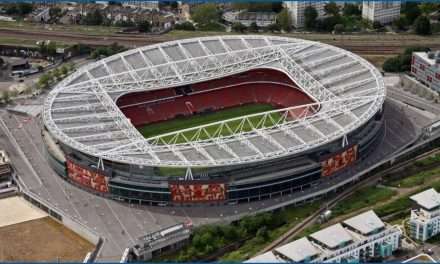
Tottenham, located in the London Borough of Haringey, is a vibrant and diverse district steeped in history, culture, and resilience. Tottenham is situated six miles north of Central London. With its historical roots dating back to the Domesday Book and its modern reputation as the home of Tottenham Hotspur FC, the area uniquely blends the old with the new.
-
A Rich Historical Tapestry
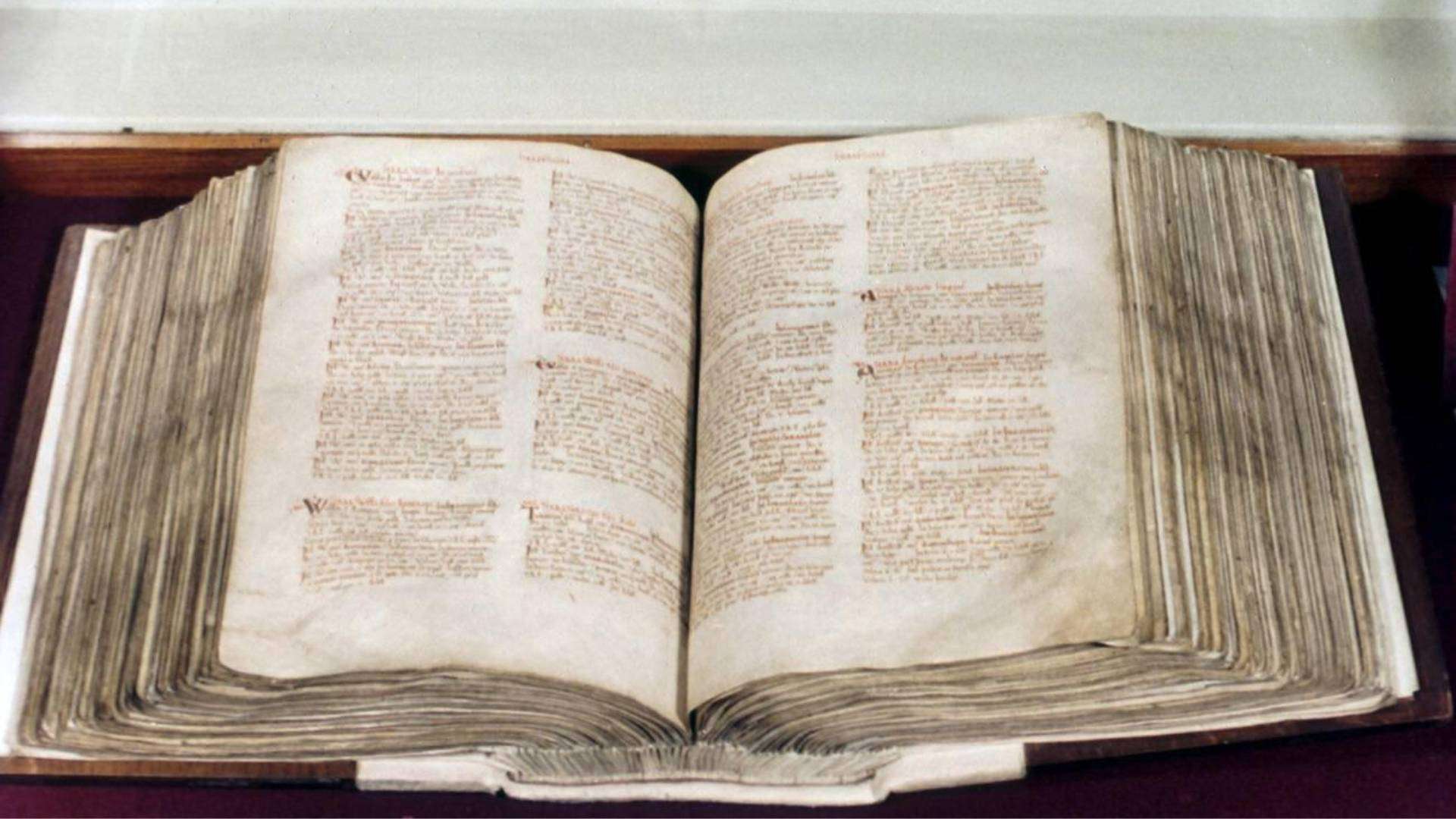
- Origins: The name “Tottenham” originates from the Domesday Book of 1086, where it was recorded as “Toteham,” meaning “the farmstead of a man called Totta.”
- Medieval Tottenham: By the 12th century, Tottenham’s accessibility attracted wealthy merchants and religious institutions. The area was known for its woodland slopes and the medieval cluster of dwellings at Tottenham Green.
- Victorian Expansion: The arrival of railways in the 19th century transformed Tottenham into a thriving suburban hub.
- 20th-Century Growth: In the 20th century, Tottenham underwent significant changes, including the establishment of Tottenham Hotspur Football Club, the construction of council estates, and the redevelopment of the Tottenham Marshes.
Cultural Landmarks
- Tottenham Cake: A uniquely local treat with origins in the late 19th century, celebrated for its pink icing and historical ties to the FA Cup.
- Bruce Castle Museum: A Grade I listed manor house that delves into the area’s cultural and historical legacy.
Modern Tottenham: Lifestyle and Culture

Today, Tottenham is a vibrant community that reflects London’s multicultural identity. The area is known for its:
- Diverse Population: A mix of Caribbean, Turkish, African, and Eastern European communities.
- Cultural Heritage: Events like the Tottenham Carnival celebrate its diversity.
- Community Spirit: Local initiatives, art projects, and markets bring residents together.
- Green Spaces: Parks like Lordship Recreation Ground and Tottenham Marshes provide a natural retreat.
- Sports Enthusiasm: From grassroots football to world-class events at the Tottenham Hotspur Stadium.
Map of Tottenham
Key Attractions in Tottenham

Bruce Castle Museum
- Description: A Grade I listed 16th-century manor house showcasing local history, art, and culture.
- Highlights: Exhibits on Tottenham’s history, workshops, and community events.
- Location: Lordship Lane, N17.
- Website: Haringey Council – Bruce Castle Museum
Tottenham Marshes
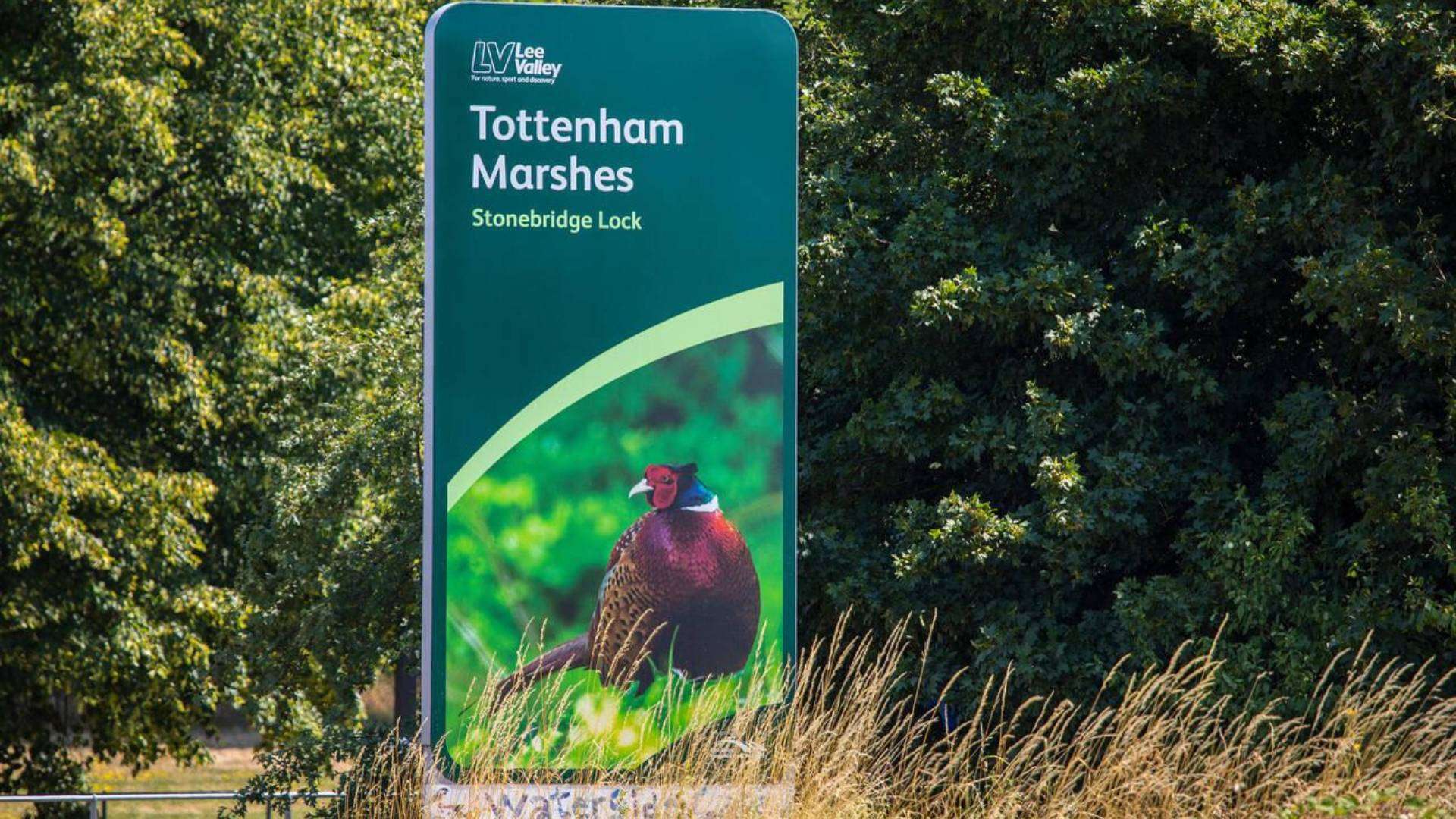
- Description: A natural reserve ideal for walking, cycling, and birdwatching.
- Facilities: A café, walking trails, and picnic areas.
- Location: N17.
- Website: Lee Valley Regional Park
Tottenham Hotspur Stadium
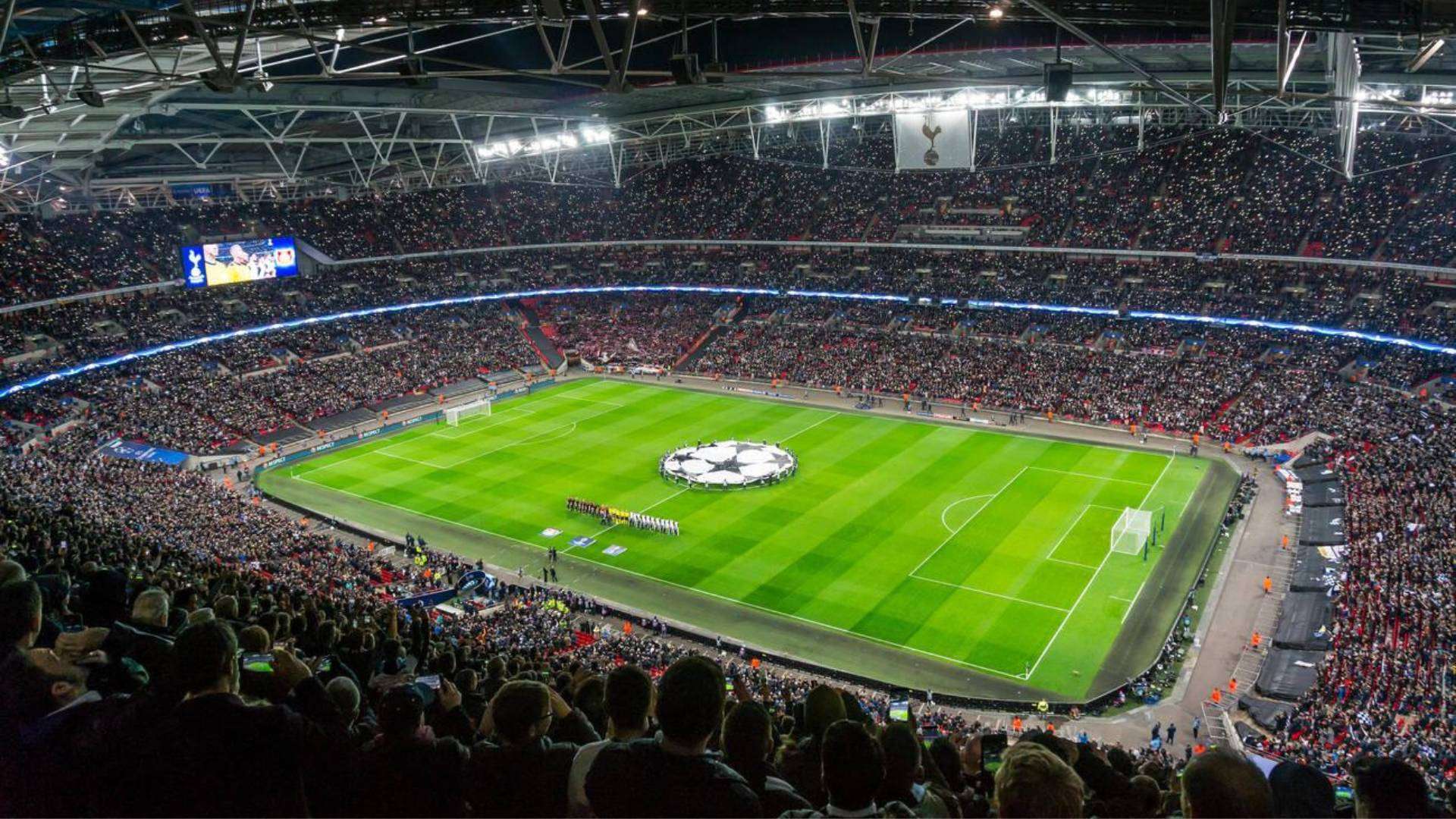
- Description: A world-class stadium that is home to Tottenham Hotspur FC.
- Highlights: Guided stadium tours, events, and premium dining.
- Location: High Road, N17.
- Website: Tottenham Hotspur Official Site
Transport and Accessibility
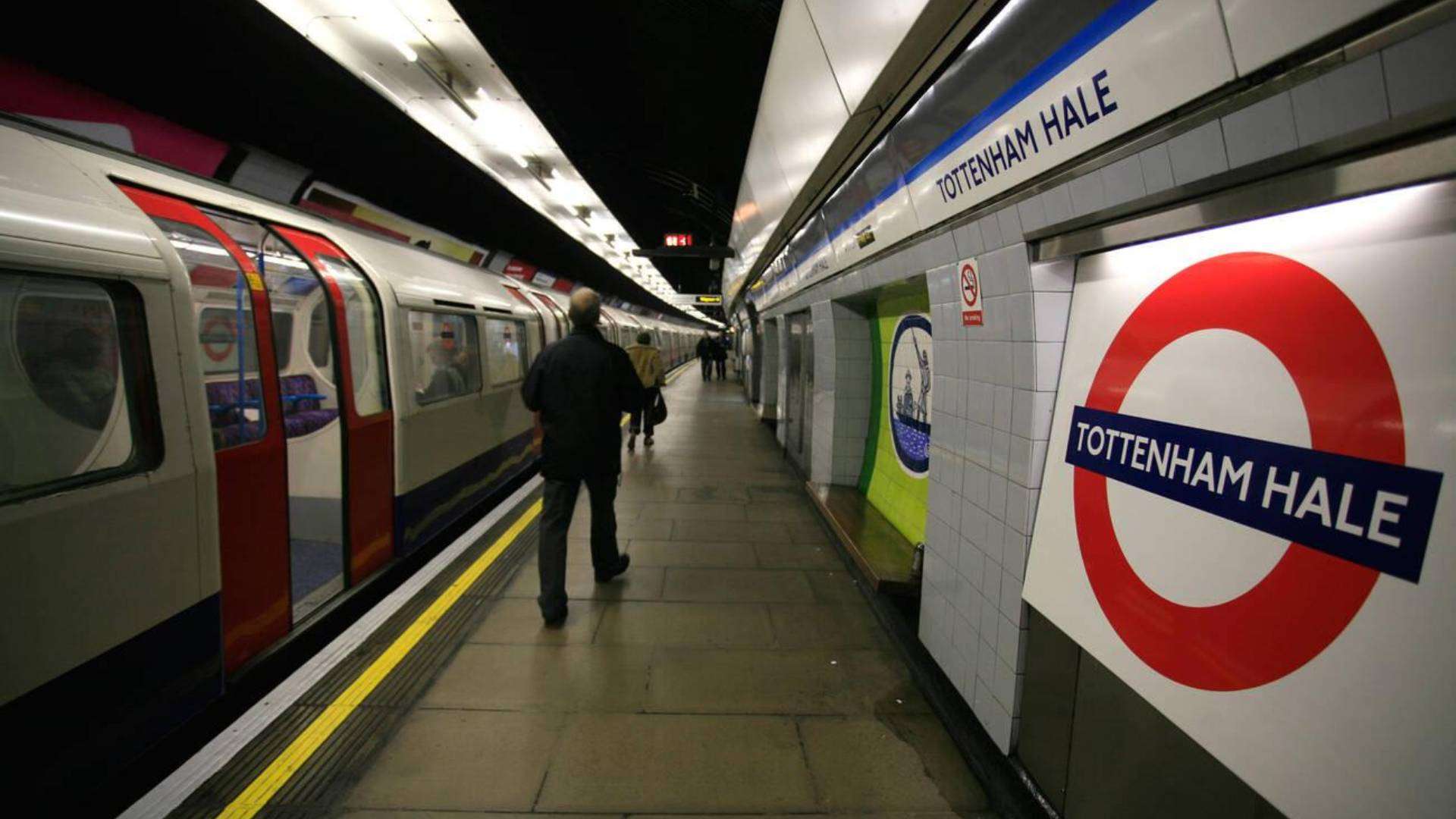
| Mode of Transport | Details |
|---|---|
| Tube/Train | Overground: Bruce Grove and White Hart Lane (Zone 3). |
| Bus | Numerous routes connect Tottenham to Central London and surrounding neighborhoods. |
| Car | Proximity to major roads like the A10 and North Circular Road makes driving convenient. |
| Cycling | Dedicated cycle paths, including those through Tottenham Marshes. |
Dining and Shopping in Tottenham
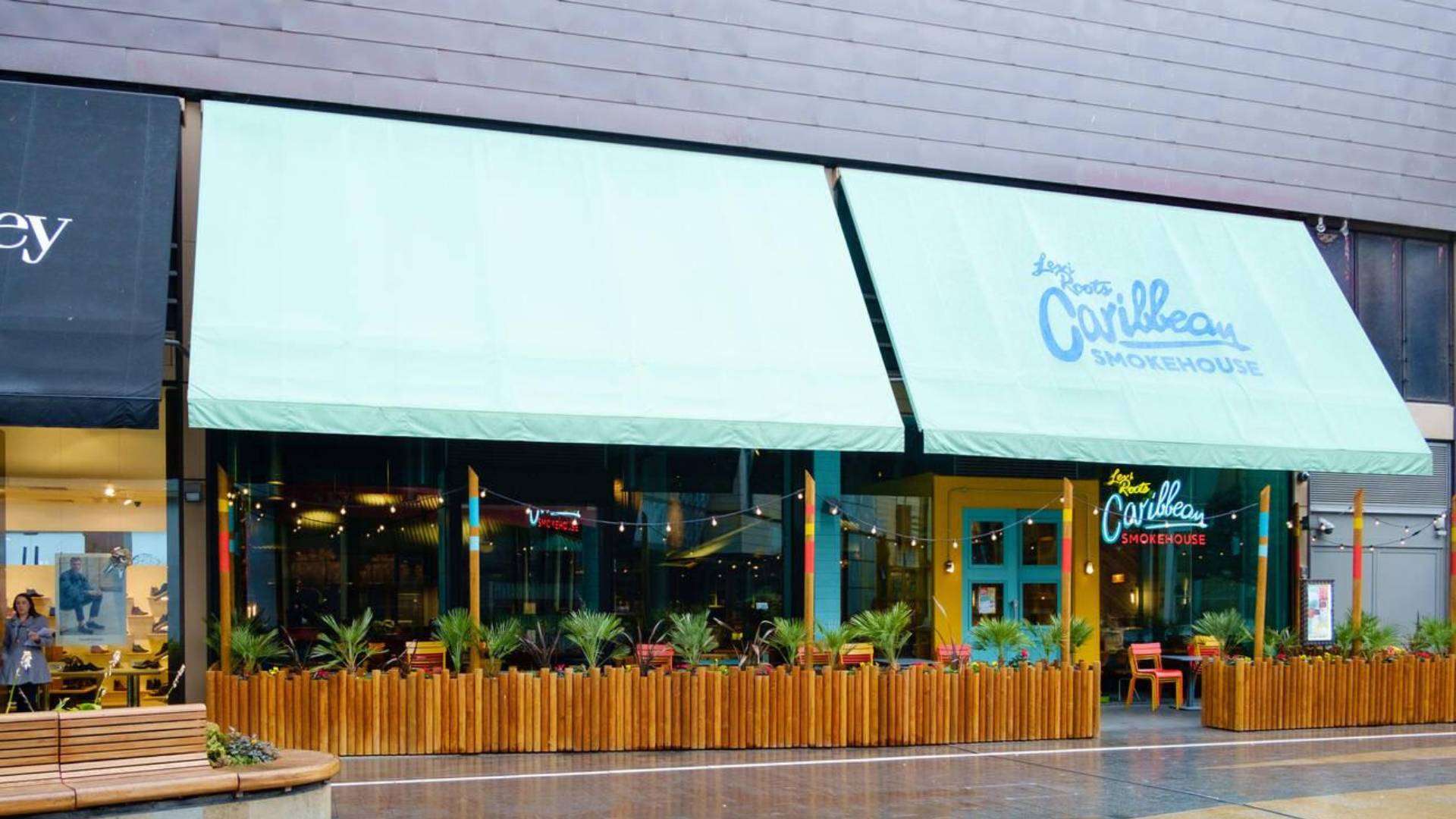
Dining
- Top Spots:
- Levi Roots Caribbean Smokehouse: Authentic jerk chicken.
- Gokyuzu: Renowned Turkish cuisine.
- True Craft: Artisan pizza paired with craft beer.
- Tottenham Green Market: A hub for street food, coffee, and artisan products.

Shopping
- Tottenham Hale Retail Park: High-street brands and home goods.
- Bruce Grove Market: Local produce and artisan goods.
- Pro Tip: Visit on Saturdays for exclusive deals at the marketstalls.
Accommodation Options

| Type | Description |
|---|---|
| Hotels | Affordable options like Premier Inn London, Tottenham Hale. |
| Serviced Flats | Modern flats near Tottenham Hale for long stays. |
| Guesthouses | Family-run establishments providing a homely experience. |
Additional Resources
Tottenham is a district of contrasts, offering a rich historical backdrop, vibrant community life, and exciting future prospects. Whether you’re a history enthusiast, a sports fan, or simply looking to explore, Tottenham is a destination worth visiting.
Let us know your thoughts or share your experiences in the comments below!
Frequently Asked Questions (FAQs)
Why is Tottenham historically significant?
Tottenham’s history dates back to the Domesday Book of 1086. Over the centuries, it evolved from a rural village to a suburban hub and later to a bustling urban district. Significant landmarks like Bruce Castle, an iconic 16th-century manor, and Tottenham Hotspur FC’s storied stadium contribute to its rich heritage.
What are the top attractions in Tottenham?
- Bruce Castle Museum: Offers fascinating exhibits on local history.
- Tottenham Marshes: Perfect for outdoor enthusiasts with scenic walking and cycling trails.
- Tottenham Hotspur Stadium: A state-of-the-art venue for football fans and entertainment events.
- Seven Sisters Market: A hub for Latin American food and culture.
How can I get to Tottenham?
- By Tube/Train: Overground stations like Bruce Grove and White Hart Lane (Zone 3).
- By Bus: Multiple routes connect to Central London and nearby areas.
- By Car: Proximity to major roads such as the A10 and North Circular Road.
- By Bike: Dedicated cycling paths make it accessible for cyclists.
Is Tottenham a safe place to live?
Tottenham has seen significant improvements in safety due to ongoing regeneration projects. Community policing, new housing developments, and enhanced public spaces have contributed to making it a more secure area for residents and visitors alike.
What is Tottenham known for?
- Multicultural Community: A vibrant blend of cultures reflected in food, markets, and festivals.
- Tottenham Hotspur FC: The pride of the area, attracting football fans from all over the world.
- Cultural Events: Regular community festivals, live music, and markets showcasing local talent.
Are there good schools in Tottenham?
Tottenham boasts several reputable schools, including:
- Harris Academy Tottenham: Known for its academic excellence.
- Gladesmore Community School: Praised for its community engagement.
- Lea Valley Primary School: A great choice for younger students.
What dining options are available in Tottenham?
- Local Delicacies: Sample traditional Caribbean, African, and Turkish cuisines at local eateries.
- Chick King: A local favorite for fried chicken.
- Beavertown Taproom: Perfect for craft beer lovers and casual dining.
Are there outdoor activities in Tottenham?
- Tottenham Marshes: Great for walking, birdwatching, and picnics.
- Lee Valley Regional Park: Offers a range of activities, including kayaking and nature trails.
- Lordship Recreation Ground: Features play areas, sports courts, and a community café.
Is Tottenham family-friendly?
Absolutely! Tottenham offers:
- Parks and Green Spaces: Perfect for family outings and picnics.
- Community Events: Family-oriented festivals and activities.
- Schools: A variety of good educational institutions for children of all ages.
What shopping options are available in Tottenham?
- Seven Sisters Indoor Market: Known for its Latin American goods and food stalls.
- Tottenham Hale Retail Park: Features major retail outlets for everyday needs.
- Local Markets: Perfect for fresh produce and unique finds.
What’s the cost of living in Tottenham?
Tottenham offers relatively affordable living compared to other parts of London. While housing prices are rising due to regeneration, it remains a cost-effective option for young professionals and families.
When is the best time to visit Tottenham?
- Spring: Perfect for exploring Tottenham Marshes and Bruce Castle gardens.
- Summer: Enjoy outdoor festivals and events at Tottenham Hotspur Stadium.
- Autumn: Experience the beauty of parks with changing foliage.
- Winter: Ideal for cozy indoor activities and football matches.
Can tourists easily navigate Tottenham?
Yes! With clear signposts, well-connected transport links, and a friendly community, tourists will find Tottenham easy to explore.
What is Tottenham Cake?
Tottenham Cake is a unique pink-iced sponge cake with historical roots. It was created in the late 19th century by local baker Henry Chalkley and is often made using mulberry juice from Bruce Castle Park.
Is Tottenham a good place to invest in property?
Yes, with ongoing regeneration projects, Tottenham offers excellent potential for property investment. The area is attracting young professionals and families, driving demand for housing.