Nestled beside the Walthamstow Marshes, Coppermills in Waltham Forest combines centuries-old history with thriving natural reserves and diverse cultural scenes. A unique blend of industry, nature, and community, Coppermills offers locals and visitors alike a glimpse into London’s industrial past, along with a vibrant ecosystem and inviting community.
- 14th Century Origins: Originally a watermill grinding corn, Coppermills has transformed over centuries, reflecting London’s changing industry. In the 17th century, it became known as Powdermill Marsh, manufacturing gunpowder.
- Copper Rolling: By 1806, the British Copper Company acquired the mill, which soon became integral to copper rolling. Copper ingots transported from Swansea were processed here, producing sheets for a variety of uses, including currency production.
- Water Supply & Treatment: After its industrial phase, the site was acquired in 1859 by the East London Waterworks Company, constructing reservoirs to supply London’s growing population. Today, Thames Water manages the area, ensuring that it remains a vital source of clean water.
| Timeline | Key Development |
|---|---|
| 14th Century | Watermill established |
| 17th Century | Known as Powdermill Marsh |
| 1806 | Coppermill rebuilt and copper production begins |
| 1863 | First reservoir opens, beginning its role in water supply |
| 1972 | Thames Water replaces Lea Bridge waterworks with Coppermills |
Top Attractions and Things to Do
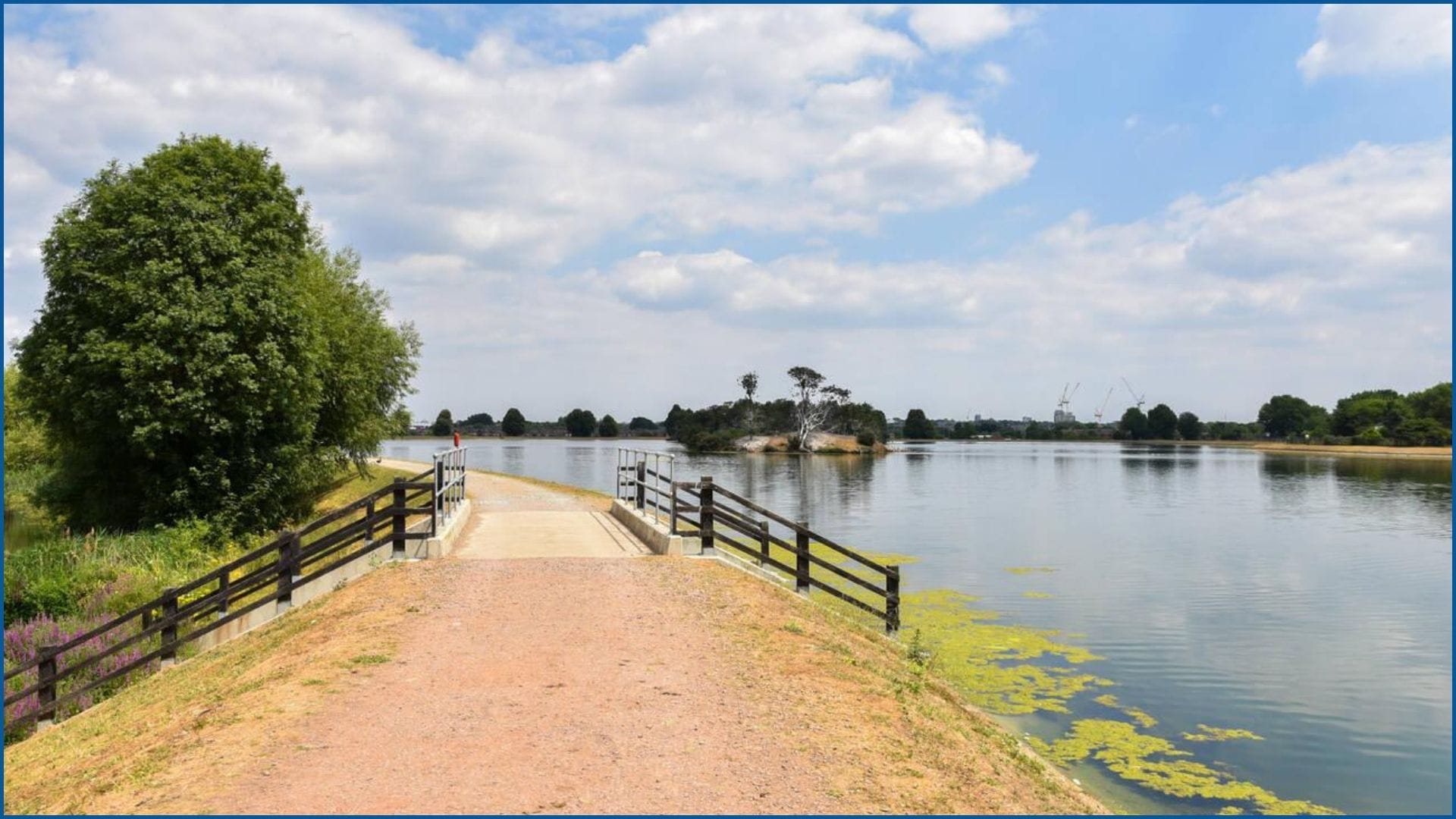
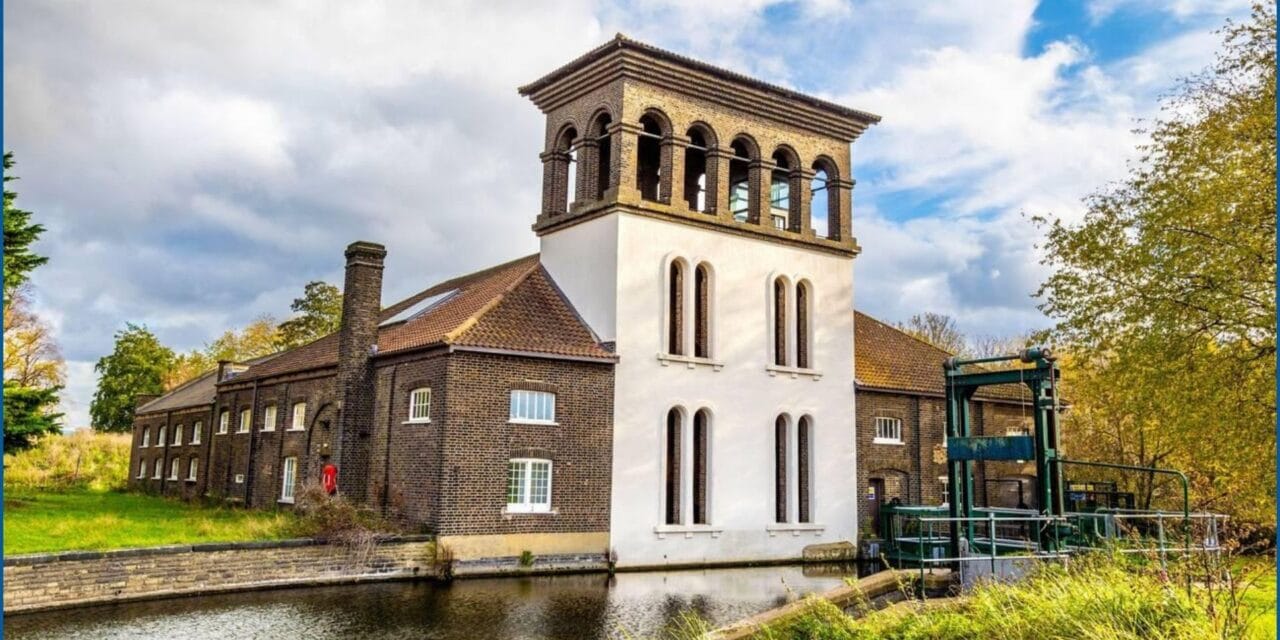
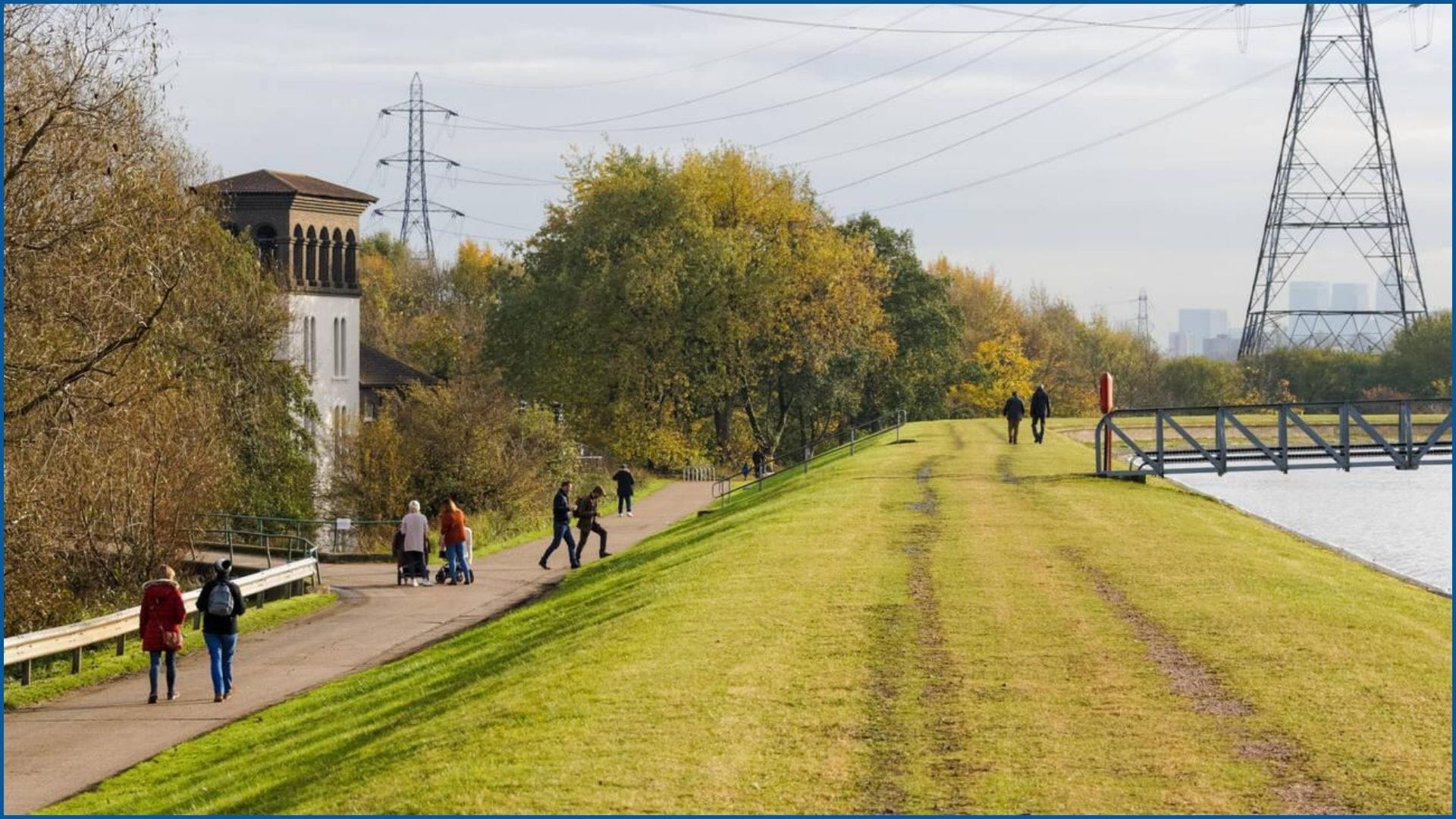
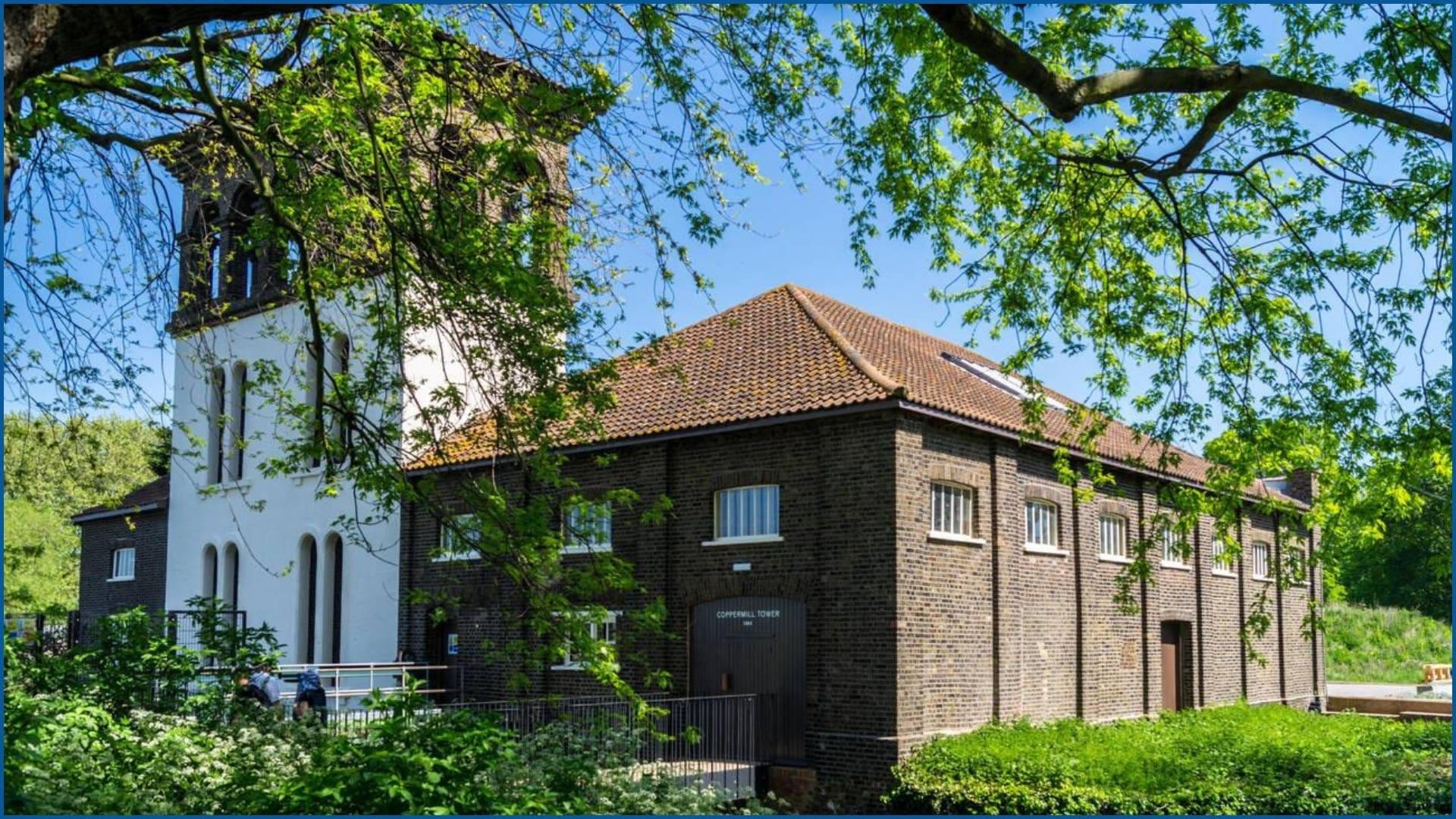
- Walthamstow Wetlands: The Italianate Coppermills Tower now forms part of the Walthamstow Wetlands nature reserve. Visitors can climb the tower for panoramic views across the reservoirs, making it a must-visit.
- Coppermill Fields Nature Reserve: Located beside the waterworks, this quiet reserve is perfect for a peaceful nature walk, picnicking, and birdwatching.
Nature and Wildlife in Coppermills
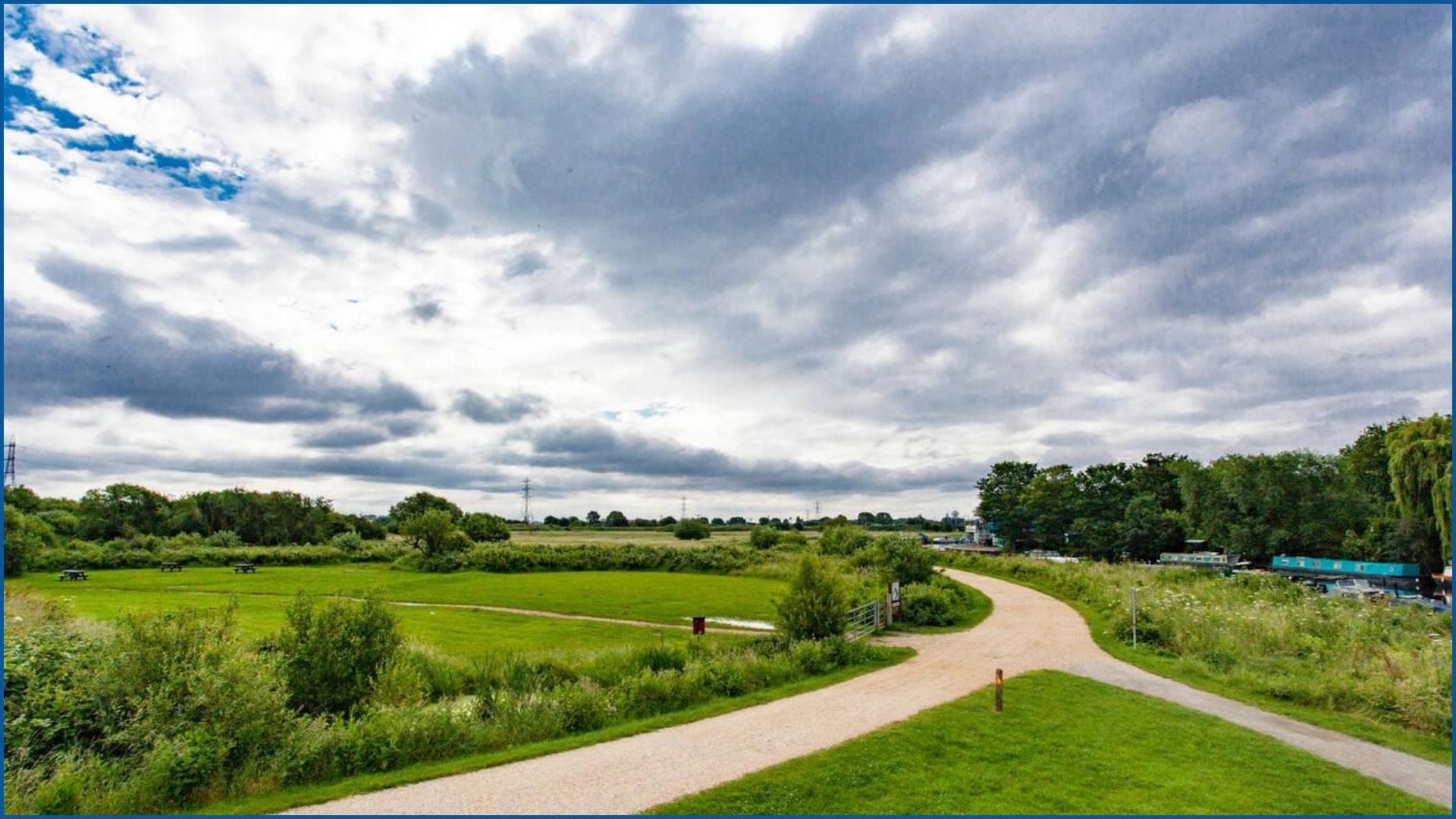
- Walthamstow Marshes: This Site of Special Scientific Interest (SSSI) is home to a variety of birds, plants, and aquatic species, making it ideal for nature enthusiasts and families.
- Birdwatching & Fisheries: Covering over 300 acres, the Walthamstow reservoirs are known as one of London’s largest fisheries, attracting anglers and bird watchers from across the city.
Map of Coppermills, Waltham Forest
Local Amenities and Accommodation

Schools:
Families in Coppermills benefit from a selection of educational facilities, including Coppermill Primary School, which is known for its supportive community and engaging curriculum. Nearby schools, such as Barn Croft Primary School and Willowfield Humanities College, provide additional options for all age groups, ensuring that families have access to quality education close to home.
Shops & Markets:
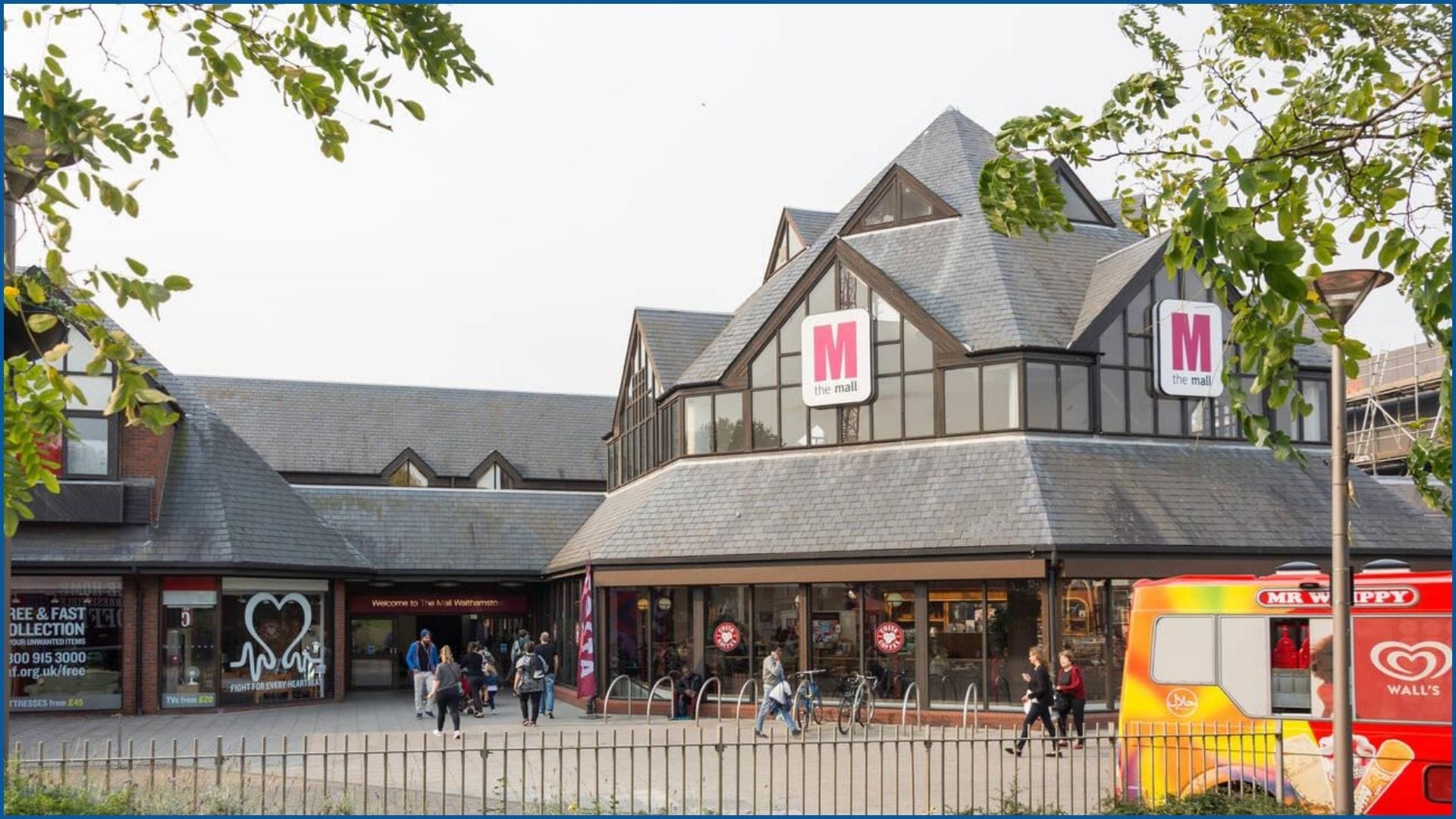
St James Street serves as the local hub for shopping and essentials, featuring a range of independent stores, weekly markets, and convenience shops that cater to daily needs. Walthamstow Central offers larger retail options for those looking for more variety, including the Walthamstow Mall and speciality shops, making it easy to find everything from groceries to unique finds.
Accommodation Options:
Although Coppermills itself has limited accommodations, Walthamstow and surrounding areas offer a variety of options for visitors. Choose from hotels like The Royal Oak for a comfortable stay, or explore cosy B&Bs and Airbnb rentals nearby for a more personalized experience. Many of these accommodations offer easy access to the Walthamstow Wetlands, making them ideal for nature enthusiasts.
Transport and Accessibility
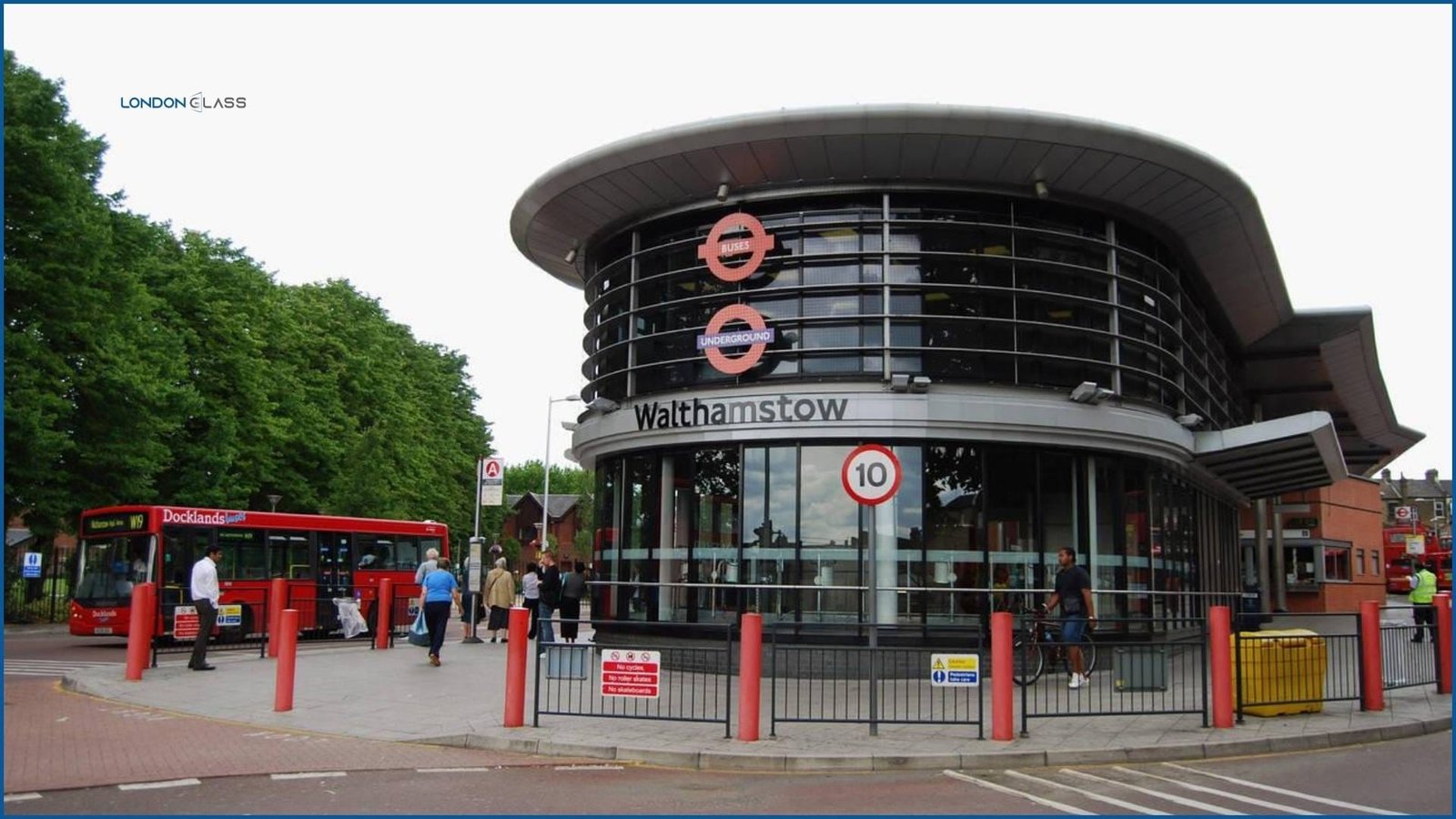
- Rail: St James Street Station (Overground) and Walthamstow Central (Victoria Line) are the closest train options, connecting residents and visitors to Central London and beyond.
- Bus: Routes 158 and 212 serve the area, providing convenient travel to nearby neighbourhoods.
- Cycling: The area is well-equipped with cycle paths and is part of the London Cycle Network, promoting eco-friendly commuting.
| Transport Mode | Description |
|---|---|
| Rail | Closest stations: St James Street and Walthamstow Central |
| Bus | Routes: 158, 212 |
| Cycle Paths | Part of the London Cycle Network |
Sources & Further Reading
- Walthamstow Wetlands – Official Website
- Waltham Forest Council – Local Information
- Historic England – The Coppermills
This comprehensive guide provides all the essential information you need to know about Coppermills, Waltham Forest, ensuring that you make the most of your visit or move to this charming part of Waltham Forest. Enjoy your exploration!
With its rich industrial past, natural beauty, and welcoming community, Coppermills in Waltham Forest is a fascinating destination for those who enjoy a mix of history and the outdoors. Whether you’re visiting the Italianate tower, walking along Walthamstow Marshes, or enjoying a drink at the local pub, Coppermills offers an immersive experience of London’s eastern landscape.
Frequently Asked Questions (FAQs)
-
Is Coppermills a good place for birdwatching?
Absolutely! Coppermills, part of the Walthamstow Wetlands, is renowned for its birdwatching. Species such as kingfishers, herons, and peregrine falcons are often spotted here, especially around the reservoirs. -
Are there guided tours available at Coppermills?
Yes, the Walthamstow Wetlands offers guided tours and educational programs for visitors, highlighting the history, wildlife, and conservation efforts in the area. Check the Wetlands’ official website for schedules. -
Is Coppermills accessible for those with mobility issues?
Many paths around Coppermills and the Walthamstow Wetlands are accessible, though some areas near the reservoirs and marshes might be challenging. It’s recommended to check accessibility details on the Wetlands’ website before visiting. -
Can I fish at the Coppermills reservoirs?
Fishing is permitted in designated areas at the Walthamstow Reservoirs, but a permit is required. Fishing spots and regulations can vary, so it’s best to consult Thames Water’s guidelines. -
Are pets allowed in Coppermills and the Wetlands?
Pets are allowed but must be on a lead to protect the natural habitats and wildlife, especially in sensitive areas around the wetlands. Check specific rules on the official website before bringing pets. -
Where can I find a good picnic spot at Coppermills?
Coppermill Fields and areas near the Italianate tower offer peaceful spots for a picnic. Some parts near the marshes and reservoirs provide scenic views and are especially enjoyable in warmer months. -
Is Coppermills suitable for cycling?
Yes, there are dedicated cycling paths that connect to the London Cycle Network. Cyclists enjoy scenic rides along Coppermill Lane and surrounding areas, but some paths may be restricted to pedestrians for safety. -
What historical features are present at Coppermills?
The Italianate Coppermills Tower, built in 1864, is a notable historical landmark. Originally constructed to house a Cornish Bull engine, the tower now serves as an observation point, offering panoramic views and historical information. -
What other nature reserves are nearby?
In addition to Coppermills, you can explore nearby Walthamstow Marshes and Lee Valley Regional Park, both of which offer beautiful walking trails and a variety of wildlife. -
Is Coppermills suitable for photography?
Yes, with its mix of scenic wetlands, reservoirs, and historical structures, Coppermills is a favorite spot for photographers. The Italianate tower offers panoramic views, making it ideal for landscape photography.